Hikes the Elder

Hikes the Elder CloneWe finally got to try our Pliny the Elder homebrew clone and it was worth the effort! Made with Hikes the elder, my dad, we brewed the actual all-grain recipe provided by Russian River’s Vinnie Cilurzo. If you are wondering about the process, we used loads of Centennial, Simcoe, Columbus, and Cascade hops, even adding some to the mash, and dry-hopped the crap out of it.

I’ve had Pliny the Elder several times, twice on draft and once out of a bottle, and I can say that this version closely resembles the draft from what I remember. I’d really need to have both side by side, but this is easily the tastiest brew we’ve done yet. We are gaining confidence and I look forward to experimenting with some original creations. Next up, I think we may try a coriander and herb Wit.
Beer Gone Bad – Here’s a Few Reasons Why

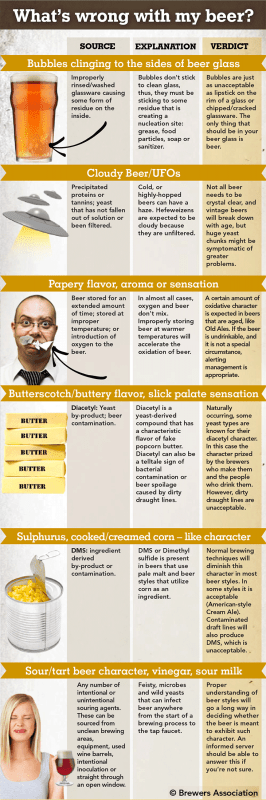
beerproblemsLately, I’ve been toying with the idea of continuing my beer education in a more official capacity by becoming a Certified Cicerone and possibly a Certified Beer Judge. Part of that process is not only identifying the tastiest attributes of a beer, but knowing when a beer has gone bad and why. I came across this article that hits on some of the biggest beer corruptors and the reason behind them.

We take it for granted that the brewers and local watering holesĀ are serving the purest beer in optimum conditions and understanding when something is off is just as important as understanding how to appreciate it. This is especially true if trying a brewer’s beer or going to a bar for the first time. Knowing where the blame lies can make the difference between avoiding a bad bar with dirty tap lines or writing off a brewery for making inferior beer.

Identifying Beers Gone Wrong

Beer Labels Brought to Life

tumblr_inline_mwljeve6Kp1rm17z3This is not a particularly informative link, but definitely a fun one. Trevor Carmick of Beer Labels in Motion has taken interesting beer label art and created animated gifs. “Neato” is the word that comes to my beer nerd mind. My personal favorites are Grampus, Edmund Fitzgerald, Count Orlok and Heady Topper (porkslap ain’t bad either because, come on, porkslap). Check out Trevor’s work and see if your favorite beer is represented.

Keeping Beer – The Cellar Way

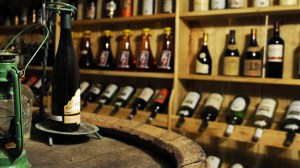
21As an avid cellarer (fun word!) this is an informative article on craftbeer.com that goes over the ins and outs of cellaring. I can say from experience that a properly aged beer can yield spectacular results you won’t soon forget. Ever since I tried a three-year-old Avery Mephistopheles in 2012, I’ve been chasing that dragon and aging 15-20 beers in hopes of getting an experience that is half as good. I know this is paltry compared to the 100’s of beers that others age, but I’m pretty selective and most times I can only get a limited quantity of a beer that I think is worth keeping around.

I probably won’t dip into the fruits of my patience until 2015 when my dad retires (a 2012 Dark Lord and 2012 Parabola), but it’ll be worth the wait.Ā I still need to update the Beer Cellar section of DBR with the full roster, but my collection is comprised of mostly higher ABV barley wines, imperial stouts, and wild/sour beers.

Continue reading “Keeping Beer – The Cellar Way”

Beer Fact of the Day! – Skunked Beer

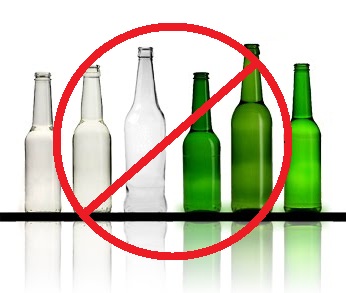
anti bottlesIf your beer tastes or smells like it was filtered through a skunk’s butt, it is probably due to the beer being ā€œskunkedā€ or named Heineken or Rolling Rock (zing!). Ā Almost nothing makes for a worse beer experience than getting a mouthful of rancid beer water when you were hoping for hoppy deliciousness. But why does this happen? WHY!

Let’s get this out of the way first: temp changes don’t skunk beer. It’s not recommended to subject a beer to extreme temperature shifts, but you aren’t going to taste the back end of Pepe Le Pew because of it. Skunking comes from beer that is exposed to sun or fluorescent light, which is why it’s technically referred to as ā€œlightstruck.ā€ A chemical reaction causes the beer to produce methyl mercaptan, also found in what skunk’s spray, hence the similar odor.

Continue reading “Beer Fact of the Day! – Skunked Beer”